
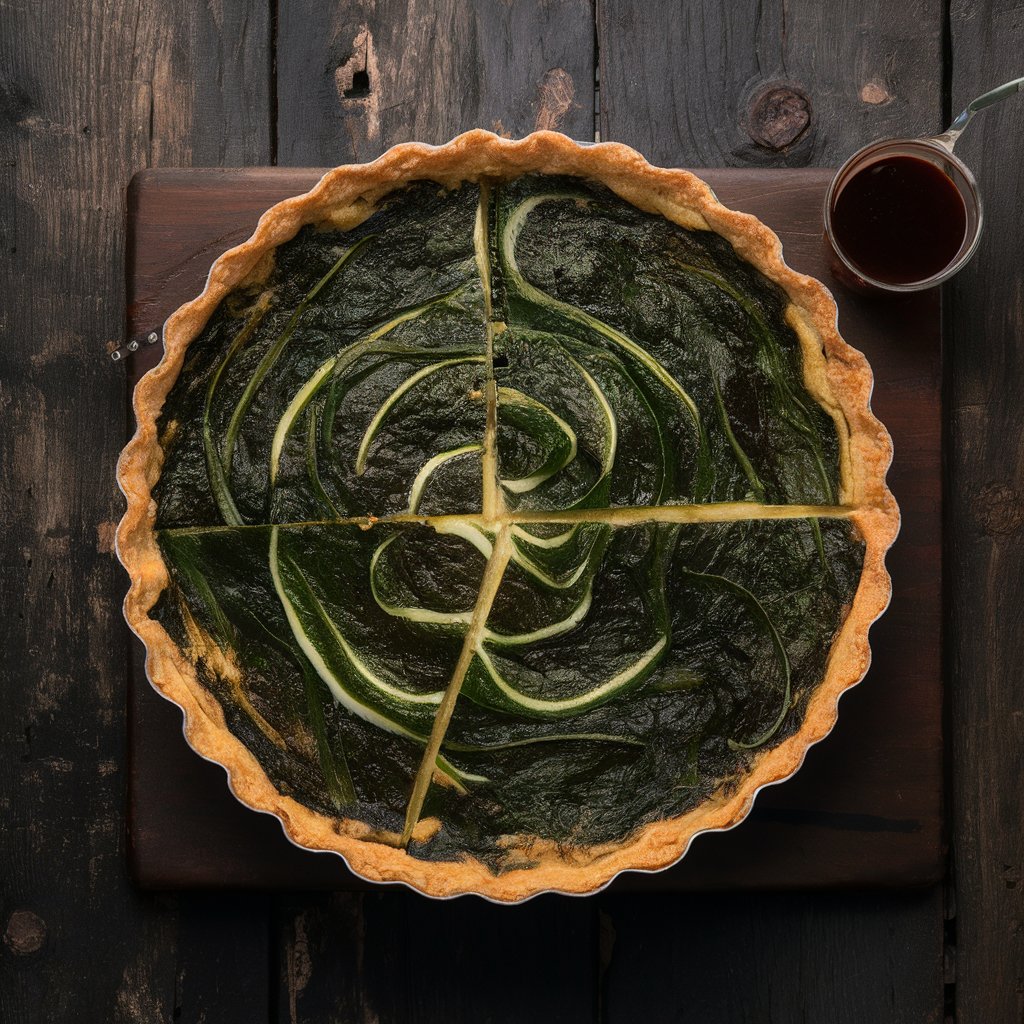

Tarta de espinaca, or Spanish spinach tart, is one of the most beloved dishes in Spanish and Latin American cuisine. Known for its rich, savory flavor and wholesome ingredients, this dish combines the freshness of spinach with creamy cheese, eggs, and a flaky pastry crust. Searching for the best tarta de espinaca near me has become a culinary adventure for food lovers who appreciate traditional recipes and authentic flavors. Whether served as a main course, a side dish, or part of a tapas spread, tarta de espinaca represents the perfect balance between comfort food and gourmet dining. This article explores the origins of tarta de espinaca, its cultural significance in Spanish and Argentine cuisine, and where to find the best versions locally.
The Origins and Cultural Significance of Tarta de Espinaca
The tarta de espinaca has deep roots in Mediterranean and Latin American culinary traditions. In Spain, savory tarts have long been a staple of home cooking, often filled with vegetables, cheese, and eggs. The Spanish brought these recipes to Latin America during the colonial period, where they evolved into regional specialties. In Argentina, the tarta de espinaca became a household favorite, often served alongside empanadas, milanesas, and other traditional dishes.
The dish reflects the fusion of European and Latin American influences that define much of the region’s cuisine. The Spanish introduced the concept of savory pies, while local ingredients and techniques gave the dish its distinctive flavor. Over time, the tarta de espinaca became a symbol of home-cooked comfort, enjoyed at family gatherings, picnics, and cafes across Argentina, Uruguay, and Chile. Its versatility and nutritional value have made it a favorite among vegetarians and food enthusiasts alike.
What Makes Tarta de Espinaca Special
Tarta de espinaca stands out for its simplicity and depth of flavor. The base is typically a buttery, flaky pastry crust that holds a rich filling made from sautéed spinach, onions, garlic, eggs, and cheese—often ricotta, mozzarella, or Parmesan. Some variations include cream or béchamel sauce for added smoothness, while others incorporate spices like nutmeg or paprika to enhance the flavor.
The result is a dish that is both hearty and elegant. The spinach provides a fresh, earthy taste, while the cheese adds creaminess and depth. The crust, golden and crisp, contrasts beautifully with the soft filling. This balance of textures and flavors makes tarta de espinaca a versatile dish that can be enjoyed warm or cold, as a main course, appetizer, or snack. It pairs perfectly with a simple salad, a glass of white wine, or even a cup of coffee for a light lunch.
Tarta de Espinaca and Argentine Cuisine
In Argentina, tarta de espinaca is more than just a dish—it’s a culinary tradition. Found in bakeries, cafes, and family kitchens across the country, it represents the Argentine love for savory pastries and wholesome ingredients. Alongside the famous empanada argentina, the spinach tart is a staple of everyday dining. It’s common to find it in rotiserías (takeaway food shops) and panaderías (bakeries), where locals pick up a slice for lunch or dinner.
Argentine versions of tarta de espinaca often include local cheeses and a touch of nutmeg, giving the dish a distinctive flavor. Some recipes also blend spinach with chard or other greens for added texture. The dish’s popularity lies in its accessibility—it’s affordable, nutritious, and easy to prepare, making it a favorite among families and students alike. For many Argentines, tarta de espinaca evokes nostalgia, reminding them of home-cooked meals and shared moments around the table.
Spanish Spinach Tart: A Mediterranean Classic
In Spain, the tarta de espinaca is part of a broader tradition of savory pies known as tartas saladas. These dishes are often served as part of a tapas spread or as a light meal. Spanish versions tend to emphasize simplicity, using high-quality olive oil, fresh spinach, and local cheeses. The dish reflects the Mediterranean approach to cooking—using seasonal ingredients, minimal seasoning, and careful preparation to highlight natural flavors.
The Spanish spinach tart is often enjoyed during spring and summer when spinach is at its freshest. It’s a popular choice for picnics, family gatherings, and festive occasions. The dish’s versatility allows it to be adapted with other ingredients such as mushrooms, leeks, or goat cheese, making it a favorite among creative home cooks and professional chefs alike.
Where to Find the Best Tarta de Espinaca Near Me
Finding the best tarta de espinaca near me depends on location, but many Spanish and Latin American restaurants, bakeries, and cafes offer authentic versions of this dish. In cities with vibrant Hispanic communities—such as Miami, Los Angeles, New York, Madrid, and Buenos Aires—you can find tarta de espinaca in local eateries that specialize in traditional recipes.
When searching locally, look for restaurants that emphasize homemade or artisanal cooking. Authentic tarta de espinaca should have a golden, flaky crust and a rich, flavorful filling made from fresh spinach and quality cheese. Many Argentine bakeries and Spanish tapas bars serve it alongside empanadas, tortilla española, and croquetas, allowing diners to experience a full range of regional flavors.
For those who prefer to enjoy it at home, some gourmet markets and Latin American delis sell ready-made tarta de espinaca or frozen versions that can be baked fresh. These options make it easy to experience the authentic taste of Spanish and Argentine cuisine without leaving your neighborhood.
Traditional Recipe for Homemade Tarta de Espinaca
The filling is created by sautéing onions and garlic in olive oil, then adding chopped spinach until wilted. Once cooled, the mixture is combined with eggs, cheese, salt, pepper, and a touch of nutmeg.
The filling is poured into the crust, topped with another layer of pastry if desired, and baked until golden brown. The result is a fragrant, flavorful tart that can be served warm or cold. Some variations include adding ricotta for creaminess or sprinkling sesame seeds on top for extra texture. Whether enjoyed as a main dish or a side, homemade tarta de espinaca captures the essence of Mediterranean and Latin American comfort food.
Why Tarta de Espinaca Is a Must-Try Dish
Tarta de espinaca is more than just a spinach pie—it’s a celebration of culture, tradition, and flavor. Its combination of simple ingredients and rich taste makes it a timeless dish that appeals to all ages. For those exploring Spanish or Latin American cuisine, it offers a delicious introduction to the region’s culinary diversity.
The dish’s versatility also makes it suitable for various dietary preferences. It can be made vegetarian, gluten-free, or even vegan with a few substitutions. Its nutritional value—packed with vitamins, minerals, and protein—adds to its appeal as a wholesome meal option. Whether enjoyed at a local restaurant, a family gathering, or your own kitchen, tarta de espinaca delivers a taste of authenticity and comfort that transcends borders.
Conclusion
The search for the best tarta de espinaca near me is a journey into the heart of Spanish and Latin American cuisine. This beloved spinach tart embodies the warmth, creativity, and tradition that define Mediterranean and Argentine cooking. From its humble origins to its modern interpretations, tarta de espinaca continues to delight food lovers around the world.
Frequently Asked Questions (FAQ)
1. What is tarta de espinaca?
Tarta de espinaca is a savory spinach tart made with a pastry crust, spinach, cheese, eggs, and seasonings. It is popular in Spain and Argentina and often served as a main dish or appetizer.
2. Is tarta de espinaca Spanish or Argentine?
Both. The dish originated from Spanish culinary traditions and became a staple in Argentine cuisine, where it evolved into a beloved everyday meal.
3. What does tarta de espinaca taste like?
It has a rich, creamy flavor from the cheese and eggs, balanced by the freshness of spinach and the buttery texture of the crust.
4. Where can I find the best tarta de espinaca near me?
Look for Spanish or Argentine restaurants, bakeries, and cafes that specialize in traditional recipes. Many Latin American eateries offer authentic versions of this dish.
5. Is tarta de espinaca healthy?
Yes, it’s a nutritious dish rich in vitamins, minerals, and protein. Using fresh spinach and olive oil makes it a wholesome option for balanced diets.
6. Can tarta de espinaca be made vegetarian or vegan?
Absolutely. The traditional recipe is vegetarian, and vegan versions can be made using plant-based cheese and egg substitutes.
7. What other dishes pair well with tarta de espinaca?
It pairs beautifully with salads, roasted vegetables, or traditional Argentine empanadas for a complete meal.