


Table of Contents
ToggleThe term “fluchia” is not widely recognized in standard dictionaries, scientific literature, or popular cultural references, which makes it an interesting subject for exploration. In many cases, such unique or uncommon terms can emerge as brand names, fictional concepts, regional spellings, or even misspellings of more established words like “fuchsia.” Because of this ambiguity, understanding “fluchia” requires a flexible approach where we explore possible interpretations, contextual meanings, and potential uses. In modern digital spaces, unusual keywords like fluchia often gain attention through search trends, creative writing, or branding experiments, which makes it important to analyze them from multiple perspectives rather than a single fixed definition.
Fluchia Meaning: What Does Fluchia Represent?
When examining the fluchia meaning, it is important to note that the word does not have a universally accepted definition. However, in interpretive usage, “fluchia” can be understood as a conceptual or symbolic term that may represent something unique, elegant, or abstract depending on context. In some creative environments, such words are used to evoke a sense of mystery or originality. It may also be interpreted as a stylized variation of “fuchsia,” a vivid color known for its bright pinkish-purple tone, which is widely used in fashion, design, and art.
In SEO and content creation contexts, “fluchia meaning” can also represent a keyword opportunity where writers build content around emerging or undefined terms to capture search curiosity. This means the word itself gains meaning through usage rather than through historical or linguistic roots.
Fluchia Origins: Where Does the Term Come From?
The origins of fluchia are unclear, and this uncertainty adds to its uniqueness. Unlike traditional words that can be traced back to Latin, Greek, or other linguistic families, fluchia does not appear to have a confirmed etymological background. It may have originated as a modern coined term, possibly created for branding, storytelling, or artistic purposes.
In digital culture, new words often emerge spontaneously through usernames, online communities, or fictional world-building. Fluchia could belong to this category, where meaning is assigned later by users rather than being historically inherited. This type of origin is increasingly common in the internet age, where language evolves rapidly through creativity and social influence.
Fluchia in Modern Usage and Digital Context
The use of fluchia in modern contexts largely depends on interpretation. In branding, such a unique and uncommon word can be valuable because it is easy to trademark and distinguish from competitors. Businesses often prefer invented terms because they carry no prior associations and allow full creative control over meaning and identity.
In creative writing or gaming environments, fluchia could be used as the name of a character, place, or fictional concept. Its soft and melodic structure gives it an aesthetic quality that fits fantasy or artistic themes. Additionally, in SEO-driven content strategies, unusual keywords like fluchia are sometimes used to test ranking potential or capture niche search traffic.
Fluchia vs Fuchsia: Common Confusion Explained
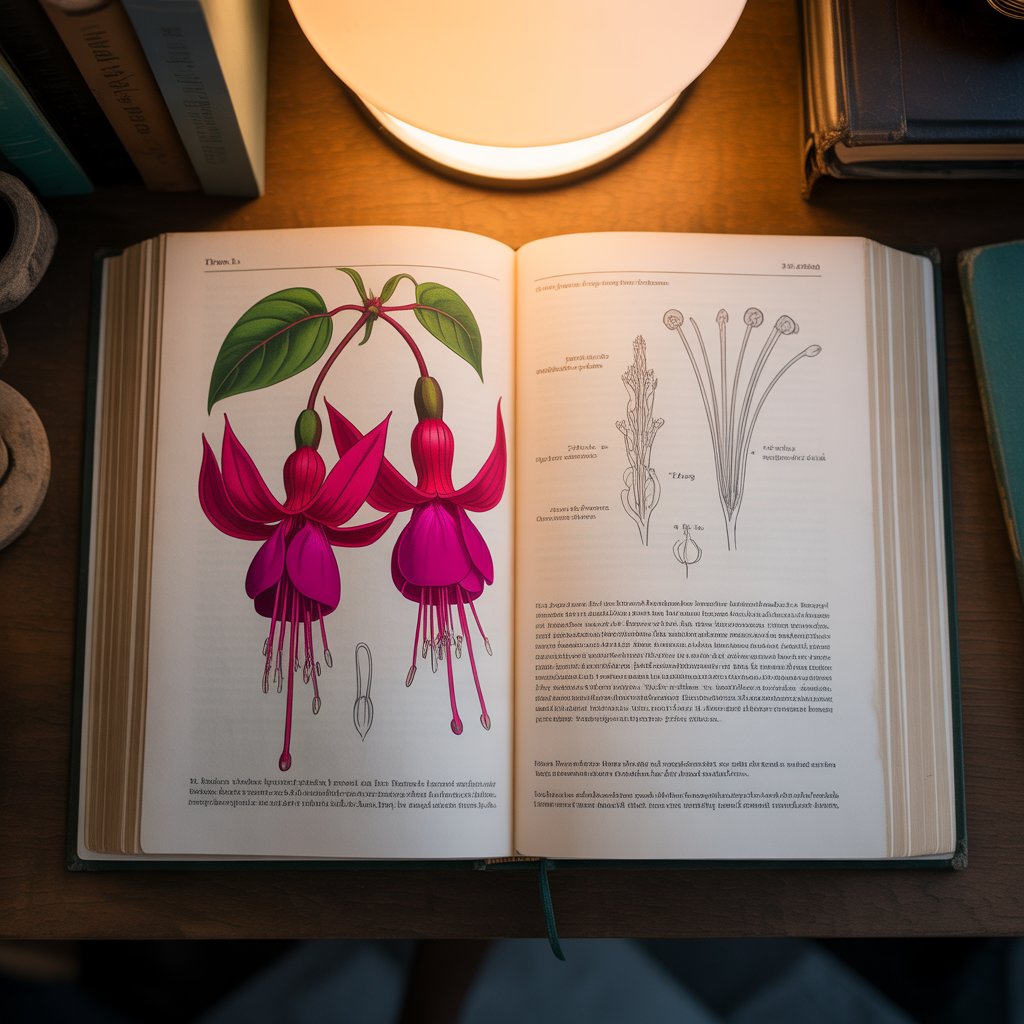
One of the most common interpretations is that fluchia is a misspelling or variation of fuchsia. The word “fuchsia” refers to a bright, vibrant color named after the fuchsia plant, which is known for its striking pink and purple flowers. Because the pronunciation of “fuchsia” can be confusing, many people accidentally type or remember it as “fluchia.”
If this is the case, then fluchia may indirectly relate to color theory, design, fashion trends, and artistic styling. Fuchsia as a color is often associated with creativity, boldness, and emotional expression, and similar symbolic meanings could be extended to fluchia in informal usage.
Fluchia in Branding and Creative Identity
The branding potential of fluchia is significant precisely because it is uncommon and flexible. Modern brands often seek names that are unique, easy to remember, and not tied to pre-existing meanings. Fluchia fits this pattern well, making it suitable for fashion labels, cosmetic lines, digital products, or even entertainment projects.
A strong brand identity built around fluchia could emphasize themes such as elegance, modern creativity, mystery, or innovation. Since the word does not carry fixed cultural baggage, marketers and creators have full freedom to define its personality and emotional impact.
Fluchia in SEO and Online Search Trends
From an SEO perspective, fluchia is an emerging or low-competition keyword, which can be advantageous for content creators. Writing optimized articles around such terms can help websites rank more easily due to reduced competition. However, it is also important to provide meaningful content so that users who search for the term find value rather than confusion.
Search engines increasingly prioritize relevance and context, so even undefined terms like fluchia can gain traction if enough content is created around them. This is why exploratory articles like this one are useful for building keyword presence and testing audience interest.
Frequently Asked Questions (FAQs)
1. What does fluchia mean?
Fluchia does not have a fixed dictionary meaning. It is often interpreted as a creative, fictional, or emerging term that may vary depending on context.
2. Is fluchia the same as fuchsia?
It may be a misspelling or variation of “fuchsia,” which is a color and a plant name. However, fluchia is not officially recognized as the same word.
3. Is fluchia a real word?
Fluchia is not an established English word, but it can be used creatively in branding, storytelling, or digital content.
4. Where did the word fluchia come from?
Its origin is unclear. It may have been created online, used in branding experiments, or derived from a misspelling.
5. Can fluchia be used as a brand name?
Yes, fluchia is suitable for branding because it is unique, memorable, and not widely used, making it easy to establish identity.
Conclusion
In conclusion, fluchia is an ambiguous and flexible term that does not have a single established definition but holds value through its uniqueness. Whether interpreted as a creative invention, a branding opportunity, or a variation of “fuchsia,” the word demonstrates how modern language evolves in digital spaces. Its openness allows writers, marketers, and creators to assign their own meaning and build identity around it. While its exact origin remains uncertain, fluchia stands as an example of how new words can gain significance through usage, imagination, and online culture.