
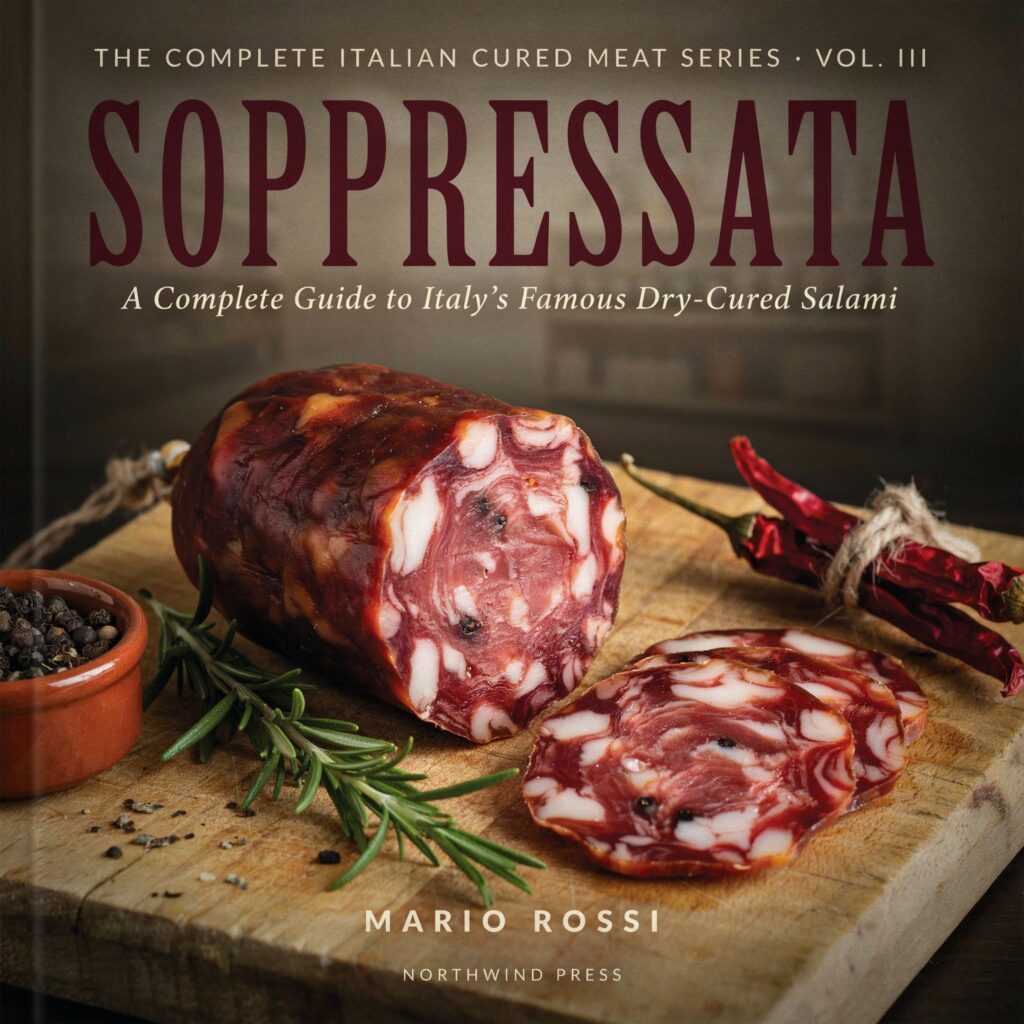

Soppressata is one of Italy’s most celebrated cured meats, renowned for its rich flavor, distinctive texture, and deep-rooted culinary heritage. This traditional Italian salami has been enjoyed for centuries and remains a favorite among food enthusiasts worldwide. Whether served on a charcuterie board, paired with cheese and wine, or incorporated into recipes, soppressata offers a unique taste experience that reflects the artistry of Italian meat curing. Its popularity continues to grow as more people discover authentic Mediterranean foods and traditional methods of food preservation.
The story of soppressata goes beyond being simply a cured sausage. It represents regional traditions, family recipes passed down through generations, and the craftsmanship of skilled artisans. Different parts of Italy produce their own versions of soppressata, each with distinct seasonings, textures, and preparation techniques. Understanding soppressata allows food lovers to appreciate not only its flavor but also its cultural significance within Italian cuisine.
What Is Soppressata?
Soppressata is a traditional Italian dry-cured salami made primarily from pork. Unlike many other salamis, it is often prepared using carefully selected cuts of meat and fat, which are seasoned with a blend of spices before being stuffed into natural casings and cured for an extended period. The curing process enhances the meat’s flavor while preserving it naturally.
The texture of soppressata varies depending on the region where it is produced. Some varieties are finely ground and soft, while others feature coarser cuts of meat and a firmer texture. Common seasonings include black pepper, garlic, fennel seeds, red pepper flakes, and wine. These ingredients contribute to the complex flavor profile that makes soppressata distinct from other cured meats.
The History of Soppressata
The history of soppressata dates back hundreds of years to rural Italy, where preserving meat was essential for survival. Before refrigeration existed, communities relied on curing techniques to extend the shelf life of pork and other meats. Families would prepare large quantities of cured meats during seasonal pig slaughtering events, ensuring a stable food supply throughout the year.
Over time, regional variations emerged as different areas incorporated local spices, climate conditions, and curing methods. Soppressata became particularly popular in southern Italian regions such as Calabria, Basilicata, and Apulia. These regions developed unique recipes that remain highly regarded today. The enduring popularity of soppressata demonstrates how traditional food practices can survive and thrive across generations.
Types of Soppressata
One of the most fascinating aspects of soppressata is the variety found throughout Italy. Different regions produce distinct styles that reflect local tastes and culinary traditions.
Calabrian Soppressata
Calabrian soppressata is famous for its spicy flavor. Producers often use hot chili peppers, creating a bold and fiery taste that appeals to spice lovers. This variety is among the most recognizable internationally and is frequently featured on charcuterie boards and pizzas.
Tuscan Soppressata
Tuscan soppressata differs significantly from southern Italian versions. It often contains a combination of pork cuts and seasonings that emphasize savory rather than spicy flavors. The result is a rich and balanced cured meat with a unique regional character.
Basilicata Soppressata
In Basilicata, soppressata is traditionally made using premium pork cuts and carefully selected spices. The meat is pressed during curing, creating its characteristic flattened shape. This regional specialty is highly valued for its artisanal quality and robust flavor.
American Soppressata
Italian immigrants brought soppressata-making traditions to North America, where the product evolved to suit local tastes. American soppressata often incorporates traditional Italian techniques while adapting ingredients and production methods to modern food manufacturing standards.
How Soppressata Is Made
The production of soppressata involves several important steps that contribute to its flavor and texture. First, high-quality pork is selected and trimmed. The meat is then ground or chopped and mixed with seasonings such as salt, pepper, garlic, and other spices.
After seasoning, the mixture is stuffed into natural casings and shaped according to regional preferences. Fermentation begins as beneficial bacteria develop, helping preserve the meat and create complex flavors. The sausages are then hung in controlled environments where temperature and humidity are carefully monitored during the curing process.
Depending on the style, curing can last several weeks or even months. During this time, moisture gradually evaporates, concentrating flavors and producing the firm texture associated with premium soppressata.
Nutritional Value of Soppressata
Soppressata provides a good source of protein and essential nutrients. Because it is made from pork, it contains important minerals such as iron, zinc, and phosphorus. These nutrients support various bodily functions, including immune health and energy production.
However, like many cured meats, soppressata can be high in sodium and fat. Moderation is important for maintaining a balanced diet. When enjoyed as part of a varied eating plan that includes fruits, vegetables, whole grains, and lean proteins, soppressata can be a flavorful addition to meals and snacks.
How to Serve Soppressata
Soppressata is incredibly versatile and can be served in numerous ways. One of the most popular presentations is on a charcuterie board alongside cheeses, olives, nuts, crackers, and fresh fruit. The rich flavor of the cured meat pairs beautifully with both mild and aged cheeses.
It can also be used as a pizza topping, adding depth and spice to traditional recipes. Sandwiches, paninis, and wraps benefit from the savory character of soppressata, while pasta dishes gain complexity when small pieces are incorporated into sauces. Many chefs also use it in appetizers, salads, and gourmet snacks.
Pairing Soppressata with Cheese and Wine
Pairing soppressata with complementary foods enhances its flavor profile. Hard cheeses such as Parmesan and Pecorino work exceptionally well because their nutty characteristics balance the meat’s richness. Soft cheeses like mozzarella provide a milder contrast that allows the flavors of the soppressata to shine.
Wine pairings often depend on the variety being served. Spicy soppressata pairs nicely with robust red wines, while milder versions complement lighter reds and certain white wines. The combination of cured meat, cheese, and wine creates a classic Italian dining experience appreciated around the world.
Why Soppressata Remains Popular Today
The continued popularity of soppressata stems from its authentic flavor, cultural significance, and versatility. Consumers increasingly seek traditional foods made using time-honored methods, and soppressata perfectly fits this trend. Its ability to complement a wide range of dishes makes it attractive to both home cooks and professional chefs.
Additionally, the growing interest in charcuterie boards, artisanal foods, and international cuisine has introduced soppressata to new audiences. Food enthusiasts appreciate its unique taste and the craftsmanship involved in its production, ensuring that this Italian specialty remains relevant in modern gastronomy.
Conclusion
Soppressata is far more than a simple cured meat; it is a symbol of Italian culinary tradition and craftsmanship. From its historical origins in rural Italy to its presence on modern charcuterie boards, soppressata continues to captivate food lovers with its rich flavor and remarkable versatility. The various regional styles demonstrate the diversity of Italian cuisine, while traditional production methods highlight the skill required to create high-quality cured meats. Whether enjoyed on its own, paired with cheese and wine, or incorporated into recipes, soppressata remains one of the most beloved and enduring specialties of Italian gastronomy.
Frequently Asked Questions (FAQs)
What is soppressata made from?
Soppressata is primarily made from pork, including carefully selected cuts of meat and fat that are seasoned, stuffed into casings, and dry-cured.
Is soppressata spicy?
Some varieties, particularly Calabrian soppressata, are spicy due to the addition of chili peppers. Other regional styles may be mild and savory.
How is soppressata different from salami?
Soppressata is a type of salami, but it often features unique regional preparation methods, specific seasonings, and a distinct texture that sets it apart from other salamis.
Can soppressata be eaten without cooking?
Yes, soppressata is fully cured and ready to eat. It is commonly served sliced as part of appetizers, charcuterie boards, and sandwiches.
How should soppressata be stored?
Soppressata should be stored according to package instructions. Once opened, it is typically kept refrigerated to maintain freshness and quality.
What foods pair well with soppressata?
Cheeses, olives, nuts, crackers, fresh fruit, bread, and wine all pair exceptionally well with soppressata.
Is soppressata healthy?
Soppressata provides protein and essential minerals, but it can also be high in sodium and fat. It is best enjoyed in moderation as part of a balanced diet.
Where does soppressata originate?
Soppressata originates in Italy and is especially associated with southern regions such as Calabria, Basilicata, and Apulia.