
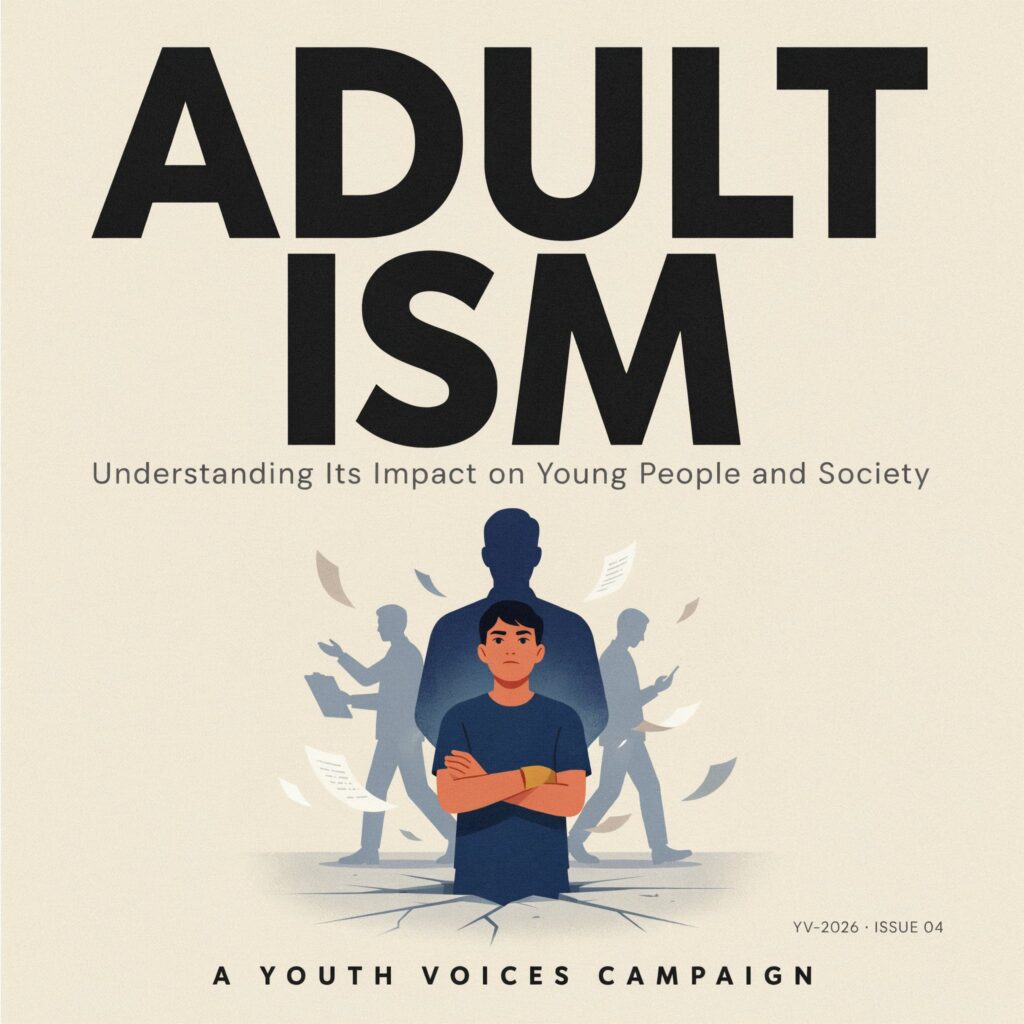

Adultism is a social phenomenon that affects millions of children, teenagers, and young adults around the world. The term refers to prejudice, discrimination, or unfair treatment directed toward younger people simply because of their age. While many societies emphasize the importance of respecting elders, they often overlook the need to respect and value the opinions, experiences, and rights of young people. Adultism can appear in families, schools, workplaces, communities, and even government institutions, influencing how decisions are made and whose voices are heard.
Understanding adultism is essential because it shapes relationships between generations and affects the confidence, development, and opportunities available to young people. When youth are consistently ignored or dismissed, they may begin to believe that their thoughts and contributions have little value. Conversely, societies that recognize and address adultism create environments where young people can participate meaningfully, develop leadership skills, and contribute positively to their communities. This article explores the meaning of adultism, its causes, effects, examples, and strategies for creating a more inclusive and equitable society.
What Is Adultism?
Adultism is the belief that adults are inherently more important, intelligent, capable, or deserving of authority than younger individuals. This belief often leads to practices and attitudes that limit young people’s participation in decisions that affect their lives. Adultism is not simply guidance or supervision by adults; rather, it occurs when age-based assumptions are used to dismiss, control, or undermine young people without considering their individual abilities and perspectives.
The concept extends beyond isolated incidents and can become embedded within social structures. Schools may create rules without consulting students, families may ignore children’s viewpoints, and organizations may exclude youth from leadership opportunities. While adults often intend to protect and guide younger individuals, adultism becomes problematic when it consistently denies young people respect, autonomy, and meaningful participation.
The Origins and Development of Adultism
The roots of adultism can be traced to historical social structures where authority was concentrated among older individuals. Throughout history, many cultures viewed children primarily as dependents rather than active participants in society. Although significant progress has been made in recognizing children’s rights and youth empowerment, remnants of these traditional attitudes continue to influence modern institutions.
Adultism develops through cultural norms, educational systems, media representations, and family dynamics. From an early age, many children receive messages suggesting that adults always know best and that questioning authority is inappropriate. While respect for experience can be valuable, these messages can sometimes discourage critical thinking and self-expression. Over time, such beliefs become normalized, making adultism difficult to recognize and challenge.
Common Examples of Adultism
Adultism can take many forms, ranging from subtle behaviors to systemic policies. One common example occurs when adults dismiss a young person’s opinion by saying, “You’re too young to understand.” Such statements assume that age automatically determines competence, regardless of the individual’s knowledge or experience.
In educational settings, adultism may appear when students have little input into classroom rules, school policies, or curriculum decisions. In families, children may be expected to obey without explanation or discussion. In workplaces, younger employees may face stereotypes suggesting they are irresponsible or inexperienced, even when they demonstrate competence and professionalism. These examples illustrate how adultism can affect individuals across different stages of youth.
How Adultism Affects Children and Teenagers
The effects of adultism can be profound and long-lasting. When young people repeatedly experience dismissal or exclusion, they may develop feelings of frustration, helplessness, or low self-esteem. Their confidence in expressing ideas may decrease, leading them to withdraw from discussions or opportunities for leadership.
Adultism can also impact educational achievement and personal development. Students who feel their voices do not matter may become disengaged from learning environments. Furthermore, young people who are not encouraged to participate in decision-making may struggle to develop critical thinking, communication, and problem-solving skills. Over time, these effects can influence future relationships, career opportunities, and civic engagement.
Adultism in Education
Schools play a significant role in shaping young people’s experiences, making education a critical area for examining adultism. Traditional educational models often position teachers and administrators as sole decision-makers while limiting student involvement. Although adults have important responsibilities in maintaining safety and providing instruction, excluding students entirely from decision-making can reinforce adultist attitudes.
Educational institutions that actively involve students in governance, policy discussions, and feedback processes often experience improved engagement and stronger school communities. Student councils, collaborative learning approaches, and participatory decision-making models demonstrate how schools can reduce adultism while maintaining effective educational standards.
Adultism in Families and Parenting
Families are often the first environment where young people encounter authority structures. Healthy parenting requires guidance, boundaries, and protection; however, adultism emerges when children’s thoughts, feelings, and perspectives are consistently ignored. Statements such as “Because I said so” may discourage communication and prevent meaningful dialogue between parents and children.
Parents who practice respectful communication create opportunities for children to develop confidence and independence. Listening to a child’s concerns, explaining decisions, and involving them in age-appropriate choices can strengthen family relationships. Such approaches demonstrate that respect can exist alongside parental authority and responsibility.
Adultism in Society and Public Policy
Adultism extends beyond personal relationships and influences broader social systems. Public policies are often created without consulting young people, even when those policies directly affect education, healthcare, recreation, and community development. As a result, youth perspectives may be underrepresented in decision-making processes.
Increasing youth participation in civic activities, advisory councils, and community organizations can help address this imbalance. When young people contribute to policy discussions, they bring unique insights and experiences that can improve outcomes for entire communities. Recognizing youth as stakeholders rather than passive recipients of decisions is an important step toward reducing adultism.
The Difference Between Adultism and Healthy Guidance
It is important to distinguish adultism from responsible adult guidance. Adults possess valuable experience, knowledge, and legal responsibilities that often require them to make decisions on behalf of younger individuals. Providing mentorship, protection, and education is not inherently adultist.
The key difference lies in respect and inclusion. Healthy guidance acknowledges the perspectives and capabilities of young people while offering support and direction. Adultism, by contrast, dismisses or devalues youth perspectives solely because of age. Effective relationships balance adult responsibility with genuine respect for young people’s voices and contributions.
Strategies for Overcoming Adultism
Addressing adultism requires awareness, education, and intentional action. Adults can begin by examining their assumptions about young people’s abilities and listening more carefully to youth perspectives. Encouraging open dialogue, asking for feedback, and involving young people in decision-making processes can help build mutual respect.
Organizations and institutions can also adopt policies that promote youth participation. Leadership programs, youth advisory boards, and collaborative planning initiatives provide opportunities for meaningful engagement. Educators, parents, and community leaders play essential roles in creating environments where young people feel valued and empowered.
Why Addressing Adultism Matters
Reducing adultism benefits not only young people but society as a whole. Communities thrive when individuals of all ages contribute their ideas, talents, and experiences. Young people often bring creativity, innovation, and fresh perspectives that can help address complex challenges.
By recognizing and challenging adultism, societies can foster stronger relationships between generations, promote civic engagement, and support the development of confident, capable future leaders. Respecting young people does not diminish adult authority; instead, it creates opportunities for collaboration, learning, and mutual growth.
Conclusion
Adultism is a widespread yet often overlooked form of age-based discrimination that affects children, teenagers, and young adults in many areas of life. From families and schools to workplaces and public institutions, adultist attitudes can limit opportunities, undermine confidence, and prevent meaningful participation by young people. Understanding the causes and consequences of adultism is the first step toward creating more inclusive environments where youth voices are respected and valued.
As society continues to evolve, it is increasingly important to recognize that age alone does not determine wisdom, capability, or worth. By promoting respectful communication, encouraging youth participation, and challenging age-based stereotypes, communities can build stronger relationships across generations and create a more equitable future for everyone.
Frequently Asked Questions (FAQs)
What does adultism mean?
Adultism refers to prejudice, discrimination, or unfair treatment directed toward young people based solely on their age. It often involves the assumption that adults are automatically more capable or important than younger individuals.
Is adultism the same as parenting or supervision?
No. Parenting and supervision involve guidance and protection. Adultism occurs when young people’s perspectives are dismissed or devalued simply because they are younger.
Where is adultism most commonly seen?
Adultism can be found in families, schools, workplaces, community organizations, and government institutions where young people’s voices are excluded from decision-making.
How does adultism affect young people?
Adultism can lower self-esteem, reduce confidence, discourage participation, and limit opportunities for personal growth and leadership development.
Can adultism affect young adults as well?
Yes. Young adults may experience adultism in workplaces, educational settings, and social environments where their abilities are underestimated because of their age.
How can society reduce adultism?
Society can reduce adultism by encouraging youth participation, promoting respectful communication, involving young people in decision-making, and challenging stereotypes about age and capability.
Why is understanding adultism important?
Understanding adultism helps create fairer relationships between generations, supports youth empowerment, and encourages more inclusive communities where everyone has a voice.