
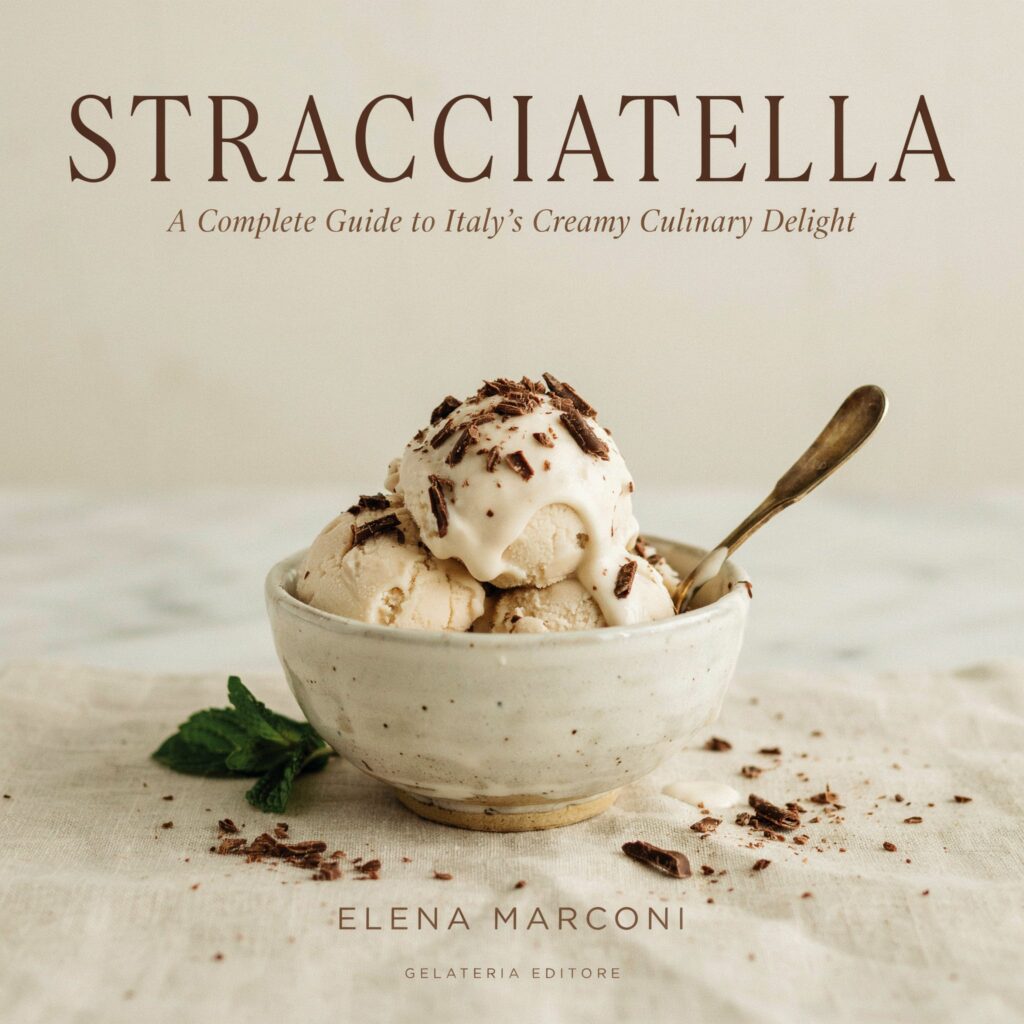

Stracciatella is one of Italy’s most beloved and versatile culinary creations, celebrated for its rich texture, delicate flavor, and remarkable adaptability in both savory and sweet dishes. While many people associate the term with gelato, stracciatella actually refers to several different Italian specialties, including a creamy cheese filling and a traditional soup. Originating from different regions of Italy, each variation of stracciatella has developed its own unique identity while maintaining the same commitment to simple, high-quality ingredients. Today, stracciatella is enjoyed worldwide by food enthusiasts who appreciate authentic Italian cuisine and artisanal food traditions.
Whether served inside burrata cheese, mixed into gelato, or prepared as a comforting soup, stracciatella represents the elegance of Italian cooking. Understanding its history, preparation methods, and culinary uses provides valuable insight into why this dish remains a favorite among chefs and food lovers alike.
What Is Stracciatella?
Stracciatella is an Italian term that translates roughly to “little shreds” or “little rags,” referring to the shredded appearance created during its preparation. The name applies to three distinct Italian foods. The most widely recognized is stracciatella cheese, a mixture of fresh mozzarella strands and rich cream. Another popular variation is stracciatella gelato, a creamy ice cream flavored with thin flakes of chocolate. The third is stracciatella soup, a traditional Roman dish made with eggs, cheese, and broth.
Despite their differences, all forms of stracciatella share a common characteristic: a texture created by breaking, shredding, or mixing ingredients into delicate strands or fragments. This unique texture is central to the appeal of every version of stracciatella.
The History of Stracciatella
The history of stracciatella reflects the diversity of Italian regional cuisine. Stracciatella soup originated in the Lazio region, particularly around Rome, where it became a comforting meal during colder months. Its simplicity made it popular among families seeking nutritious and affordable dishes.
Stracciatella cheese emerged in the southern Italian region of Puglia. Cheese makers sought a practical way to use leftover mozzarella curds by shredding them and combining them with fresh cream. This mixture eventually became the luxurious filling found inside burrata cheese, one of Italy’s most famous dairy products.
Stracciatella gelato was developed in the twentieth century in Bergamo, northern Italy. The addition of melted chocolate to fresh gelato created delicate chocolate shards throughout the ice cream, producing a texture that quickly gained international popularity.
Stracciatella Cheese: Italy’s Creamiest Cheese
Stracciatella cheese is often considered one of the finest fresh cheeses in Italian cuisine. It consists of thin strips of mozzarella soaked in sweet cream, resulting in a rich, buttery texture and mild flavor. The cheese is typically made from cow’s milk, although some artisanal producers use buffalo milk for a more complex taste.
The freshness of stracciatella cheese is essential to its quality. Because it contains cream and fresh dairy ingredients, it is best consumed shortly after production. Its luxurious consistency makes it ideal for spreading on bread, pairing with tomatoes, or serving as part of an antipasto platter.
Stracciatella and Burrata: Understanding the Difference
Many people confuse stracciatella with burrata because the two are closely related. Burrata is a fresh mozzarella pouch filled with stracciatella cheese. In other words, stracciatella is the creamy interior, while burrata includes both the outer mozzarella shell and the inner filling.
This distinction is important because stracciatella can be enjoyed independently without the mozzarella casing. Many chefs prefer serving pure stracciatella because it offers direct access to the rich creaminess that makes burrata so popular. Understanding this relationship helps consumers appreciate the craftsmanship behind these iconic Italian dairy products.
Stracciatella Gelato: A Classic Italian Dessert
Stracciatella gelato is among Italy’s most famous frozen desserts. It begins with a creamy milk-based gelato into which melted chocolate is drizzled during the churning process. As the chocolate cools, it hardens and breaks into delicate flakes distributed throughout the ice cream.
The contrast between smooth gelato and crisp chocolate pieces creates a unique sensory experience. Unlike chocolate-chip ice cream, which contains pre-made chips, stracciatella gelato features irregular chocolate shards that melt beautifully in the mouth. This texture has made it a staple in gelaterias around the world.
Stracciatella Soup: A Traditional Roman Comfort Food
Stracciatella soup is a simple yet flavorful dish deeply rooted in Roman culinary traditions. It is prepared by slowly whisking beaten eggs, grated cheese, and seasonings into hot broth. As the eggs cook, they form delicate ribbons that resemble shredded cloth, inspiring the soup’s name.
This comforting dish is often enjoyed during winter months or served when someone is recovering from illness. The combination of nourishing broth, protein-rich eggs, and savory cheese creates a satisfying meal that demonstrates the Italian ability to transform humble ingredients into something extraordinary.
Nutritional Benefits of Stracciatella
Stracciatella offers several nutritional benefits depending on the variety being consumed. Cheese-based stracciatella provides protein, calcium, phosphorus, and essential vitamins important for bone health and muscle function. The dairy content also contributes beneficial fats that support energy needs.
Stracciatella soup delivers high-quality protein from eggs and valuable nutrients from broth and cheese. Gelato versions provide energy and enjoyment while generally containing fewer air additives than many commercial ice creams. Moderation remains important, particularly for dairy-rich varieties, but stracciatella can certainly be part of a balanced diet.
How to Serve Stracciatella Cheese
Stracciatella cheese is highly versatile and can elevate numerous dishes. It pairs exceptionally well with fresh tomatoes, basil, olive oil, roasted vegetables, and crusty artisan bread. Many chefs use it as a topping for pizza after baking, allowing its creamy texture to contrast with the crisp crust.
The cheese also complements grilled meats, seafood, and seasonal salads. Its mild flavor allows it to blend seamlessly with a variety of ingredients while still contributing richness and elegance to the final dish. Because of its delicate texture, stracciatella is often served at room temperature to maximize flavor and creaminess.
Why Stracciatella Is Popular Around the World
The global popularity of stracciatella stems from its simplicity, authenticity, and exceptional taste. Consumers increasingly seek artisanal foods made from high-quality ingredients, and stracciatella perfectly fits this trend. Whether enjoyed as a gourmet cheese, a refreshing gelato, or a comforting soup, it offers a memorable culinary experience.
Restaurants worldwide feature stracciatella in innovative dishes, while specialty food stores continue to expand access to authentic Italian products. Social media and food culture have further amplified interest in stracciatella, introducing new audiences to its rich heritage and remarkable versatility.
Conclusion
Stracciatella represents the beauty of Italian cuisine through its simplicity, craftsmanship, and versatility. From the creamy cheese filling found in burrata to the chocolate-flecked gelato enjoyed on warm summer days and the comforting Roman soup served during colder seasons, stracciatella has earned a respected place in culinary traditions. Its rich history, exceptional flavor, and adaptability continue to attract food lovers across the globe. Whether you are discovering it for the first time or deepening your appreciation for Italian gastronomy, stracciatella offers a delicious example of how simple ingredients can create extraordinary culinary experiences.
Frequently Asked Questions (FAQs)
1. What is stracciatella made of?
Stracciatella cheese is made from shredded mozzarella mixed with fresh cream. Stracciatella gelato consists of milk-based gelato with chocolate flakes, while stracciatella soup contains eggs, cheese, and broth.
2. Is stracciatella the same as burrata?
No. Stracciatella is the creamy filling inside burrata, while burrata includes both the mozzarella shell and the stracciatella center.
3. What does stracciatella taste like?
Stracciatella cheese has a rich, milky, buttery flavor. Stracciatella gelato offers a creamy vanilla-like taste with chocolate flakes, while the soup provides a savory and comforting flavor.
4. Can stracciatella be eaten by itself?
Yes. Stracciatella cheese is often served on its own with bread, vegetables, olive oil, or salads.
5. Is stracciatella healthy?
Stracciatella contains protein, calcium, and essential nutrients. While it can be part of a balanced diet, portion control is recommended because of its fat content.
6. Where does stracciatella originate?
Different forms of stracciatella originate from various regions of Italy, including Lazio for the soup, Puglia for the cheese, and Bergamo for the gelato.
7. How should stracciatella cheese be stored?
It should be refrigerated and consumed as fresh as possible, ideally within a few days of purchase.
8. Why is stracciatella so popular?
Its creamy texture, authentic Italian heritage, versatility, and exceptional flavor make it a favorite among food enthusiasts worldwide.