
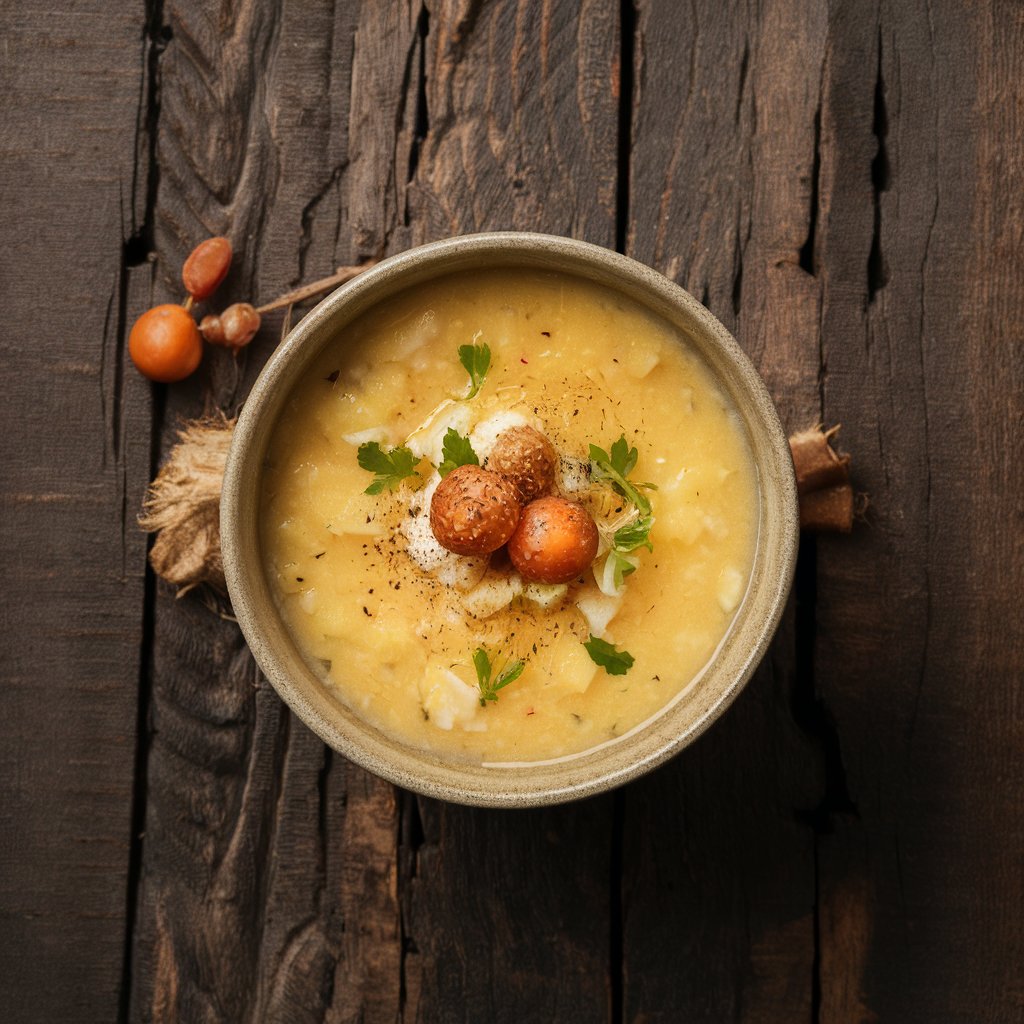

Salmorejo is one of Spain’s most beloved culinary creations—a creamy, refreshing cold soup that captures the essence of Andalusian cuisine. Originating from Córdoba, this dish is a thicker, richer cousin of gazpacho, made primarily from ripe tomatoes, bread, olive oil, and garlic. Searching for the best salmorejo near me has become a delicious quest for food lovers who want to experience authentic Spanish flavors without traveling to southern Spain. Whether enjoyed as a light appetizer, a summer meal, or a taste of Mediterranean tradition, salmorejo embodies the simplicity and elegance of Spanish cooking. This article explores the origins of salmorejo, its cultural significance, how it differs from gazpacho, and where to find the best versions locally.
The Origins and History of Salmorejo
Salmorejo has deep roots in the Andalusian region of Spain, particularly in the city of Córdoba, where it has been a staple for centuries. The dish evolved from humble beginnings, created by farmers who combined simple, readily available ingredients—stale bread, olive oil, garlic, and tomatoes—to make a nourishing meal during the hot summer months. Over time, salmorejo became a symbol of Córdoba’s culinary identity, celebrated for its smooth texture, vibrant color, and rich flavor.
Unlike many modern dishes, salmorejo has remained true to its traditional preparation. The recipe reflects the Mediterranean diet’s core principles: fresh produce, healthy fats, and minimal processing. Today, it is served in homes, tapas bars, and fine dining restaurants across Spain, often garnished with diced hard-boiled eggs and jamón serrano (Spanish cured ham). Its enduring popularity lies in its perfect balance of simplicity and sophistication—a dish that honors Spain’s agricultural heritage while appealing to contemporary palates.
What Makes Salmorejo Unique
Salmorejo stands out among Spanish cold soups for its creamy consistency and intense tomato flavor. While gazpacho is lighter and more liquid, salmorejo is thicker, smoother, and more indulgent. The secret lies in the generous use of high-quality olive oil and the addition of bread, which gives the soup its velvety texture. The ingredients are blended until perfectly emulsified, creating a luxurious mouthfeel that distinguishes salmorejo from other cold soups.
The flavor profile of salmorejo is both refreshing and satisfying. The sweetness of ripe tomatoes is balanced by the slight sharpness of garlic and the richness of olive oil. The dish is typically served chilled, making it ideal for warm weather, but its depth of flavor ensures it remains enjoyable year-round. The traditional garnishes—crumbled hard-boiled eggs and thin slices of jamón serrano—add texture and a savory contrast that elevate the dish to perfection.
Salmorejo vs. Gazpacho: Understanding the Difference
Although salmorejo and gazpacho are often mentioned together, they are distinct dishes with unique characteristics. Gazpacho, also from Andalusia, is a lighter, more liquid soup made with tomatoes, cucumbers, peppers, onions, and vinegar. It is typically served as a drinkable cold soup, offering a refreshing burst of flavor on hot days.
Salmorejo, on the other hand, is denser and creamier, focusing primarily on tomatoes, bread, olive oil, and garlic. It is served in a bowl rather than a glass and eaten with a spoon. The texture is smooth and rich, almost like a tomato mousse, and the flavor is more concentrated. While gazpacho is a refreshing beverage-like dish, salmorejo is a hearty, satisfying meal that showcases the depth of Andalusian culinary tradition. For those searching for a gazpacho alternative, salmorejo offers a more indulgent and flavorful experience.
The Cultural Significance of Salmorejo in Cordoba Cuisine
In Córdoba, salmorejo is more than just a dish—it is a cultural emblem. It represents the region’s agricultural abundance, Mediterranean lifestyle, and deep respect for traditional cooking methods. Locals take pride in preparing salmorejo using family recipes passed down through generations, often with slight variations that reflect personal or regional preferences.
The dish is also a symbol of social connection. In Andalusian culture, food is meant to be shared, and salmorejo often appears at family gatherings, festivals, and tapas bars. It embodies the warmth and hospitality of Spanish dining, where meals are not just about nourishment but about community and celebration. Córdoba even hosts events dedicated to salmorejo, where chefs compete to create the most authentic and delicious versions of this iconic soup.
Where to Find the Best Salmorejo Near Me
Finding the best salmorejo near me depends on location, but many Spanish restaurants, tapas bars, and Mediterranean eateries around the world serve this traditional dish. In Spain, Córdoba remains the ultimate destination for authentic salmorejo, with countless local restaurants offering their own perfected recipes. However, outside Spain, cities with vibrant Spanish culinary scenes—such as Madrid, Barcelona, London, New York, and Los Angeles—feature restaurants that specialize in Andalusian cuisine.
When searching locally, look for restaurants that emphasize traditional Spanish recipes and fresh ingredients. Authentic salmorejo should have a smooth, creamy texture, a deep orange-red color, and a balanced flavor that highlights the quality of the tomatoes and olive oil. Many establishments serve it as part of a tapas menu, allowing diners to enjoy it alongside other Spanish favorites like tortilla española, patatas bravas, and croquetas.
For those who prefer to enjoy salmorejo at home, some gourmet markets and Spanish delis offer ready-made versions or meal kits that include all the essential ingredients. These options make it easy to experience the authentic taste of Córdoba cuisine without leaving your neighborhood.
How to Make Traditional Salmorejo at Home
While finding the best salmorejo near me is a treat, making it at home is equally rewarding. The traditional recipe is simple yet requires attention to ingredient quality. Start with ripe, juicy tomatoes, preferably plum or vine-ripened varieties. Blend them with day-old bread, extra virgin olive oil, garlic, and a pinch of salt until smooth. The key is to use high-quality olive oil, as it defines the richness and flavor of the dish.
Once blended, chill the mixture for several hours before serving. Garnish with chopped hard-boiled eggs, jamón serrano, or even a drizzle of olive oil for an authentic presentation. Some modern variations include adding roasted red peppers or a splash of sherry vinegar for extra depth. Regardless of the variation, the essence of salmorejo lies in its simplicity and the harmony of its ingredients.
Why Salmorejo Is a Must-Try Dish
Salmorejo is more than just a cold soup—it is a culinary experience that captures the heart of Spanish cuisine. Its creamy texture, vibrant flavor, and refreshing nature make it a perfect dish for any occasion. For those exploring Mediterranean or Andalusian cuisine, salmorejo offers a taste of authenticity that is both comforting and sophisticated.
As a gazpacho alternative, it provides a richer, more indulgent option that appeals to both traditionalists and modern food enthusiasts. Its versatility also makes it suitable for various dietary preferences, as it can easily be adapted for vegetarian or vegan diets. Whether enjoyed at a local Spanish restaurant or prepared at home, salmorejo is a dish that embodies the warmth, flavor, and artistry of Spain’s culinary heritage.
Conclusion
The search for the best salmorejo near me is a journey into the heart of Spanish gastronomy. This iconic cold soup from Córdoba represents the perfect blend of tradition, simplicity, and flavor. Its creamy texture, fresh ingredients, and cultural significance make it one of Spain’s most cherished dishes. Whether discovered in a local restaurant, a tapas bar, or recreated in your own kitchen, salmorejo offers a taste of Andalusian sunshine in every spoonful. For anyone passionate about authentic Spanish cuisine, salmorejo is not just a meal—it’s an experience that connects you to the soul of Spain.
Frequently Asked Questions (FAQ)
1. What is salmorejo?
Salmorejo is a traditional Spanish cold soup from Córdoba made with tomatoes, bread, olive oil, and garlic. It is thicker and creamier than gazpacho and typically served chilled with toppings like hard-boiled eggs and jamón serrano.
2. How is salmorejo different from gazpacho?
While both are Spanish cold soups, salmorejo is thicker and creamier due to the addition of bread and more olive oil. Gazpacho is lighter, more liquid, and often includes cucumbers, peppers, and vinegar.
3. Where can I find the best salmorejo near me?
Look for authentic Spanish restaurants, tapas bars, or Mediterranean eateries that specialize in Andalusian cuisine. Many cities with Spanish communities offer traditional salmorejo on their menus.
4. Is salmorejo healthy?
Yes, salmorejo is part of the Mediterranean diet and is rich in vitamins, antioxidants, and healthy fats from olive oil. It’s a nutritious and refreshing dish, especially during warm weather.
5. Can salmorejo be made vegan?
Absolutely. Simply omit the jamón serrano and eggs, or replace them with plant-based alternatives. The base recipe is naturally vegan-friendly.
6. What are the best toppings for salmorejo?
Traditional toppings include diced hard-boiled eggs, jamón serrano, and a drizzle of olive oil. Some modern variations use avocado, roasted vegetables, or croutons.
7. How long does salmorejo last in the fridge?
Salmorejo can be stored in an airtight container in the refrigerator for up to three days. It should be served cold and stirred before serving to maintain its creamy texture.