
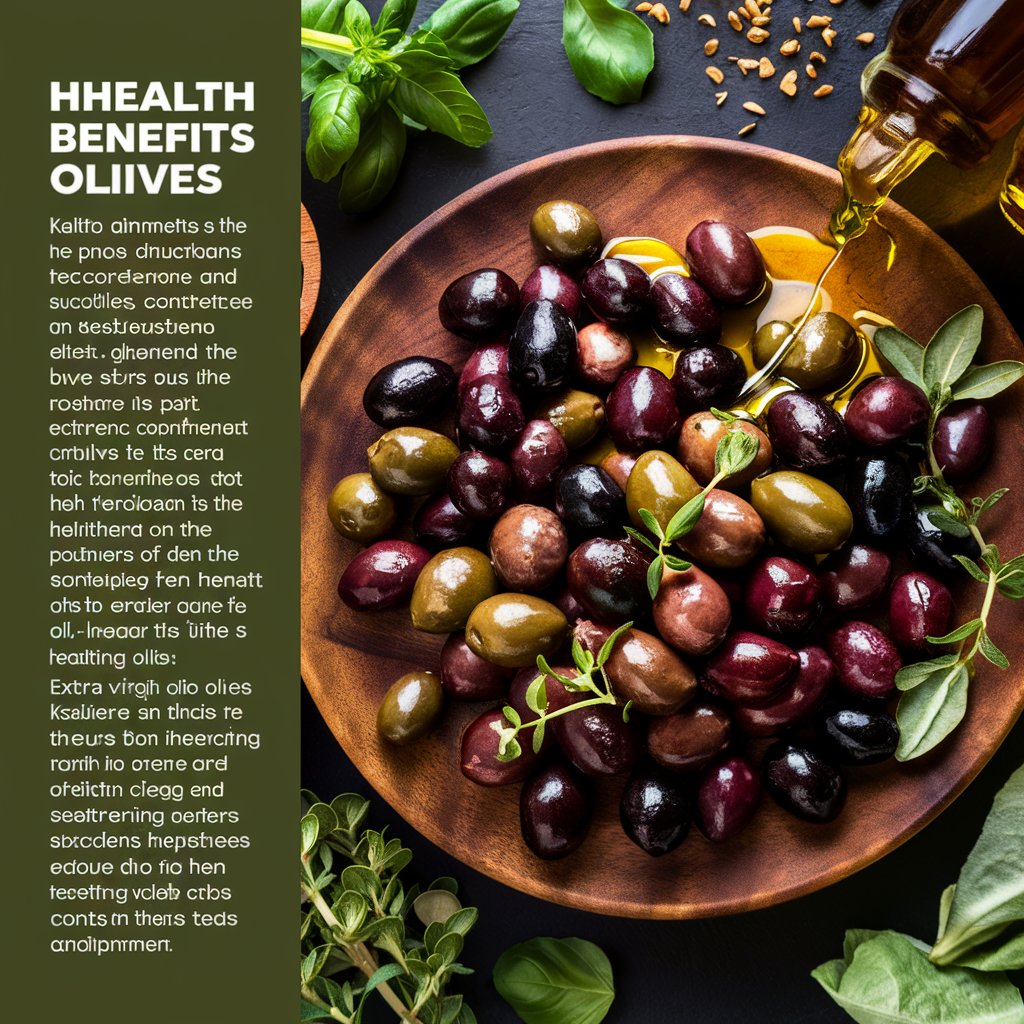

Kalamata olives are among the most popular and recognizable olive varieties in the world. Known for their deep purple color, almond-like shape, and rich, fruity flavor, these olives have become a staple ingredient in Mediterranean cuisine and healthy diets worldwide. Originating from the city of Kalamata in southern Greece, Kalamata olives are prized not only for their unique taste but also for their impressive nutritional profile and numerous health benefits.
Whether enjoyed as a snack, added to salads, incorporated into pasta dishes, or served as part of a charcuterie board, Kalamata olives bring a distinctive flavor and texture to a wide variety of meals. Their growing popularity has also led many people to explore their origins, nutritional value, and culinary applications. This comprehensive guide covers everything you need to know about Kalamata olives, from their history and production to their health benefits and everyday uses.
What Are Kalamata Olives?
Kalamata olives are a variety of olive traditionally grown in the Peloponnese region of Greece, particularly around the city of Kalamata. These olives are easily identified by their elongated shape and dark purple to nearly black color. Unlike some other olive varieties, Kalamata olives possess a rich, fruity flavor with a slightly smoky and wine-like undertone that makes them highly sought after in gourmet cooking.
The olives are typically harvested when fully ripe, which contributes to their darker appearance and richer taste. After harvesting, they undergo a curing process that removes their natural bitterness and enhances their flavor. This curing method often involves brine, vinegar, or a combination of both, resulting in the characteristic tangy taste that Kalamata olives are famous for around the globe.
History and Origin of Kalamata Olives
The history of Kalamata olives dates back thousands of years, reflecting the long-standing relationship between olive cultivation and Mediterranean civilizations. Greece has been producing olives since ancient times, and olive trees have played a central role in Greek agriculture, culture, and mythology. The region surrounding Kalamata offers an ideal climate for olive cultivation, with warm summers, mild winters, and fertile soil.
Over centuries, local farmers perfected cultivation techniques that allowed Kalamata olives to develop their distinctive qualities. Today, authentic Kalamata olives are protected under European Union regulations, ensuring that olives marketed under this designation meet specific geographic and production standards. This protected status helps preserve the heritage and quality associated with genuine Greek Kalamata olives.
Kalamata Olives Nutrition Facts
One of the reasons Kalamata olives have gained worldwide popularity is their nutritional value. These olives are packed with healthy fats, vitamins, minerals, and antioxidants that support overall wellness. They contain monounsaturated fats, particularly oleic acid, which is known for its heart-friendly properties.
Kalamata olives also provide essential nutrients such as vitamin E, iron, copper, calcium, and dietary fiber. Additionally, they contain powerful plant compounds called polyphenols, which help combat oxidative stress in the body. While Kalamata olives are relatively low in carbohydrates, they can be higher in sodium due to the curing process, making moderation important for individuals monitoring salt intake.
Health Benefits of Kalamata Olives
The health benefits of Kalamata olives extend far beyond their nutritional content. Regular consumption as part of a balanced diet may contribute to improved heart health, reduced inflammation, and better overall wellness. The monounsaturated fats found in these olives can help maintain healthy cholesterol levels, which may lower the risk of cardiovascular disease.
Their antioxidant content is equally impressive. Polyphenols and vitamin E work together to protect cells from damage caused by free radicals. These compounds may also support healthy aging and strengthen the body’s natural defense systems. Furthermore, some research suggests that the anti-inflammatory properties of olives may contribute to better joint health and reduced chronic inflammation throughout the body.
Kalamata Olives and Heart Health
Heart health is one of the most frequently discussed benefits associated with Kalamata olives. The Mediterranean diet, which prominently features olives and olive oil, has long been linked to lower rates of heart disease. The healthy fats present in Kalamata olives help support healthy blood vessels and improve cholesterol balance.
In addition to beneficial fats, the antioxidants found in these olives may help prevent the oxidation of LDL cholesterol, a process associated with plaque formation in arteries. Incorporating Kalamata olives into a diet rich in fruits, vegetables, whole grains, and lean proteins can be an effective strategy for promoting cardiovascular wellness.
How Kalamata Olives Are Produced
The production of Kalamata olives involves several carefully managed steps that contribute to their distinctive taste and quality. After harvesting, the olives are sorted and cleaned before entering the curing process. Since fresh olives are naturally bitter, curing is essential for making them enjoyable to eat.
Traditional curing methods may involve soaking the olives in brine solutions for several weeks or months. During this time, bitterness decreases while flavor develops. Some producers add vinegar or red wine vinegar to enhance complexity and create the characteristic tangy profile that distinguishes Kalamata olives from other olive varieties.
Culinary Uses of Kalamata Olives
Kalamata olives are incredibly versatile in the kitchen and can elevate countless recipes. Their bold flavor makes them a popular addition to Greek salads, pasta dishes, pizzas, grain bowls, and roasted vegetable platters. They pair exceptionally well with feta cheese, tomatoes, cucumbers, and fresh herbs.
Many chefs also use Kalamata olives in tapenade, a savory spread made by blending olives with olive oil, capers, garlic, and herbs. This flavorful condiment can be served on bread, crackers, or as a topping for grilled meats and seafood. Their rich taste allows them to serve as a focal ingredient or a complementary accent in both simple and sophisticated dishes.
Kalamata Olives vs Other Olive Varieties
Comparing Kalamata olives to other olive varieties reveals several distinct differences. Green olives are typically harvested before ripening and often have a firmer texture with a more bitter flavor. Black olives, commonly found in canned products, tend to be milder and softer than Kalamata olives.
Kalamata olives stand out because of their unique balance of fruitiness, tanginess, and complexity. Their larger size, meaty texture, and robust flavor make them a favorite among olive enthusiasts seeking a more authentic Mediterranean experience. While all olives provide nutritional benefits, many consumers prefer Kalamata olives for their superior taste profile.
How to Store Kalamata Olives Properly
Proper storage is essential for maintaining the freshness and flavor of Kalamata olives. Once opened, they should be kept refrigerated in their original brine or a similar liquid solution. The brine helps preserve texture, flavor, and moisture while preventing spoilage.
If olives are removed from their liquid, they may dry out and lose their characteristic quality. Storing them in an airtight container and ensuring they remain submerged in brine can significantly extend their shelf life. Following proper storage practices allows consumers to enjoy their olives for several weeks after opening.
Are Kalamata Olives Good for Weight Management?
Kalamata olives can be a beneficial addition to a weight-conscious eating plan when consumed in moderation. Their healthy fat content contributes to feelings of fullness and satisfaction, potentially reducing the likelihood of overeating. The fiber present in olives also supports digestive health and promotes satiety.
Although olives contain calories due to their fat content, these fats are primarily heart-healthy monounsaturated fats. Including moderate portions of Kalamata olives as part of a balanced diet may help support long-term weight management goals while providing valuable nutrients and flavor.
Conclusion
Kalamata olives are far more than a flavorful Mediterranean delicacy. They represent centuries of agricultural tradition, exceptional nutritional value, and remarkable culinary versatility. Their combination of healthy fats, antioxidants, vitamins, and minerals makes them a valuable addition to many dietary patterns, particularly those focused on heart health and overall wellness.
From their origins in Greece to their widespread popularity around the world, Kalamata olives continue to earn recognition as one of the finest olive varieties available. Whether enjoyed on their own or incorporated into a variety of dishes, these distinctive olives offer a delicious and nutritious way to enhance everyday meals while supporting a healthy lifestyle.
Frequently Asked Questions (FAQs)
What makes Kalamata olives different from regular black olives?
Kalamata olives have a distinctive almond shape, dark purple color, and rich fruity flavor. They are generally larger and more flavorful than standard canned black olives.
Are Kalamata olives healthy?
Yes. Kalamata olives contain healthy monounsaturated fats, antioxidants, vitamins, and minerals that can support heart health and overall wellness.
Can you eat Kalamata olives every day?
Many people enjoy Kalamata olives daily as part of a balanced diet. However, due to their sodium content, moderation is recommended.
Do Kalamata olives contain antioxidants?
Yes. Kalamata olives are rich in polyphenols and vitamin E, both of which act as antioxidants that help protect cells from oxidative stress.
Are Kalamata olives suitable for vegetarians and vegans?
Yes. Kalamata olives are plant-based and are suitable for both vegetarian and vegan diets.
How should Kalamata olives be stored after opening?
They should be refrigerated and kept submerged in their brine within an airtight container to maintain freshness and flavor.
Can Kalamata olives help with heart health?
Their healthy fats and antioxidant compounds may support healthy cholesterol levels and overall cardiovascular function when included in a balanced diet.
What foods pair well with Kalamata olives?
Kalamata olives pair well with feta cheese, tomatoes, cucumbers, pasta, roasted vegetables, grilled meats, seafood, and Mediterranean-inspired dishes.