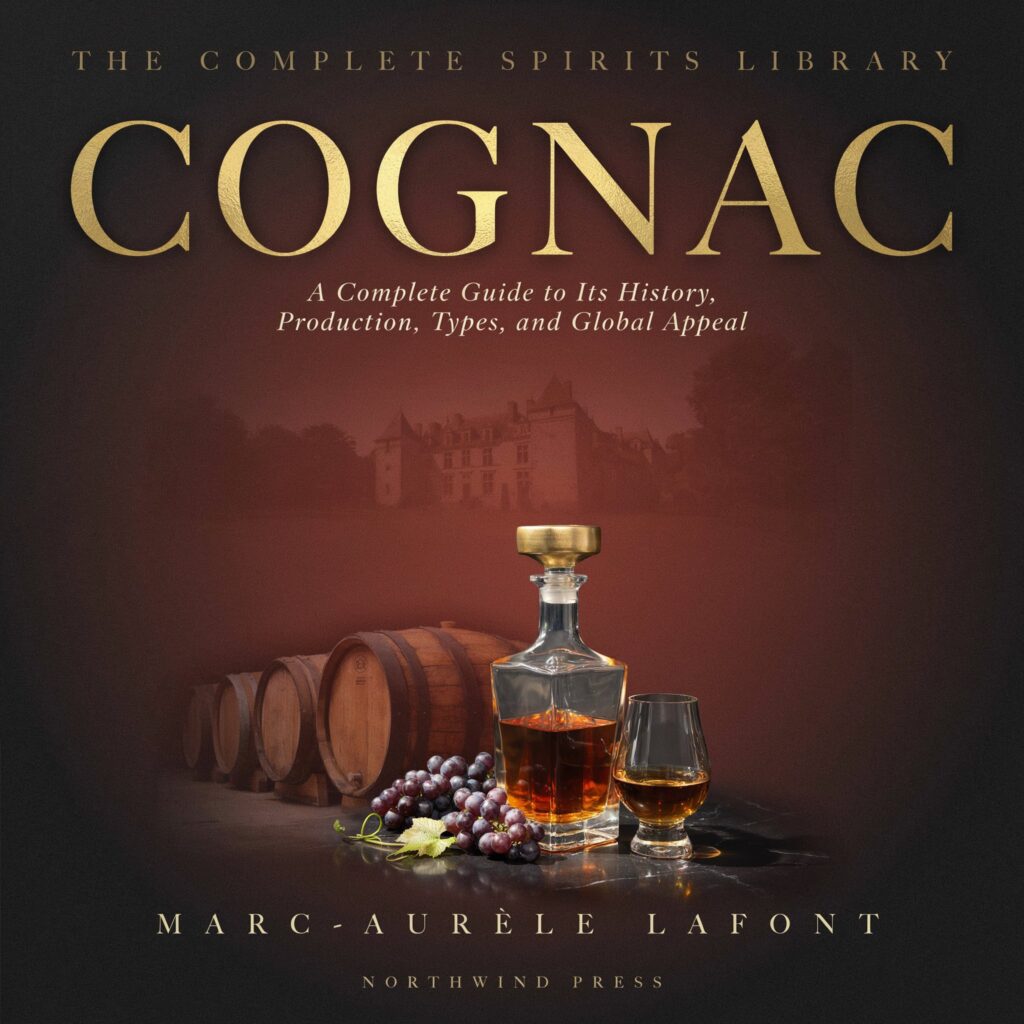

Cognac is one of the world’s most prestigious and celebrated spirits, admired for its rich flavors, elegant character, and centuries-old tradition. Originating from the Cognac region of France, this luxurious beverage has become a symbol of refinement and craftsmanship. Whether enjoyed neat, on the rocks, or as part of a sophisticated cocktail, cognac offers a unique tasting experience that reflects the heritage and expertise of generations of producers.
The journey of cognac from vineyard to bottle is a fascinating process involving carefully selected grapes, double distillation, and years of aging in oak barrels. Its distinctive flavor profile, which often includes notes of fruit, vanilla, spice, and oak, makes it a favorite among connoisseurs and casual drinkers alike. Understanding cognac means exploring its history, production methods, classifications, and cultural significance. This guide provides a comprehensive overview of everything you need to know about this iconic French spirit.
What Is Cognac?
Cognac is a type of brandy produced exclusively in the Cognac region of southwestern France. It is made from specific grape varieties, primarily Ugni Blanc, and must follow strict regulations established by French law. These regulations govern every stage of production, from grape cultivation and fermentation to distillation and aging. Because of these strict standards, not every brandy can be called cognac. Only spirits produced within the designated geographic area and according to approved methods earn the prestigious cognac designation.
The spirit is known for its complexity and depth of flavor. Depending on its age and production techniques, cognac can exhibit aromas of dried fruits, flowers, nuts, spices, caramel, and oak. This remarkable range of flavors contributes to its reputation as one of the finest spirits available.
The History of Cognac
The history of cognac dates back several centuries and is closely tied to the wine trade in France. During the 16th and 17th centuries, Dutch merchants sought a way to preserve French wine during long sea voyages. They began distilling wine into a concentrated spirit that could later be diluted with water. Over time, producers discovered that aging the distilled spirit in oak barrels enhanced its flavor significantly.
As techniques improved, the spirit evolved into what is now recognized as cognac. By the 18th century, major cognac houses had emerged and established international trade networks. The popularity of cognac continued to grow across Europe, North America, and Asia, making it a globally respected luxury product. Today, cognac remains deeply connected to its historical roots while embracing modern innovations in production and marketing.
How Cognac Is Made
The production of cognac is a meticulous process that requires precision and patience. Everything begins with the cultivation of grapes in the Cognac region. After harvesting, the grapes are pressed and fermented into a dry, acidic wine. This wine is not intended for drinking but serves as the foundation for distillation.
The fermented wine undergoes double distillation in traditional copper pot stills. The first distillation produces a liquid known as “brouillis,” while the second distillation creates a clear spirit called “eau-de-vie.” This distilled spirit is then transferred to French oak barrels, where it ages for years or even decades. During aging, the spirit develops its color, aroma, and flavor complexity through interaction with the wood and gradual oxidation.
Master blenders play a crucial role in crafting the final product. They combine eaux-de-vie of different ages and characteristics to achieve a consistent and balanced flavor profile that represents the house style of the producer.
Cognac Production Regions
The Cognac region is divided into several designated growing areas known as crus. Each cru contributes unique characteristics to the final spirit due to differences in soil composition and climate.
Grande Champagne
Grande Champagne is widely regarded as the premier cognac-producing area. Spirits from this region are known for their elegance, floral aromas, and exceptional aging potential. Many of the finest cognacs contain eaux-de-vie sourced from Grande Champagne vineyards.
Petite Champagne
Petite Champagne produces cognacs with similar qualities to Grande Champagne but often with slightly less finesse. When a cognac contains a significant percentage of Grande Champagne spirit along with Petite Champagne spirit, it may be labeled as Fine Champagne Cognac.
Borderies
Borderies is the smallest cru and is famous for producing smooth, aromatic cognacs with floral and nutty notes. These spirits mature relatively quickly and add complexity to blends.
Fins Bois
Fins Bois is the largest cru and contributes fruity, round, and approachable flavors. Cognacs from this region are often used in blends due to their versatility and appealing character.
Bons Bois and Bois Ordinaires
These regions produce lighter spirits influenced by their proximity to the coast. While less prestigious than the central crus, they still play an important role in the overall production of cognac.
Types of Cognac
Cognac is categorized according to the age of the youngest eau-de-vie used in the blend. These classifications help consumers understand the maturity and complexity of the spirit.
VS Cognac
VS stands for “Very Special.” The youngest eau-de-vie in a VS cognac must be aged for at least two years. These cognacs are generally vibrant, fruity, and suitable for cocktails.
VSOP Cognac
VSOP means “Very Superior Old Pale.” The youngest component must be aged for at least four years, although many producers exceed this requirement. VSOP cognacs offer greater depth, smoothness, and complexity.
XO Cognac
XO stands for “Extra Old.” The youngest eau-de-vie must be aged for at least ten years. XO cognacs are known for their rich flavors, luxurious texture, and remarkable sophistication.
Extra and Hors d’Age Cognac
These premium categories represent some of the oldest and most prestigious cognacs available. They often contain eaux-de-vie aged for several decades, resulting in extraordinary complexity and refinement.
The Flavor Profile of Cognac
One of the most appealing aspects of cognac is its diverse flavor profile. Younger cognacs often showcase fresh fruit notes such as grape, pear, and citrus. As the spirit ages, additional flavors emerge, including vanilla, caramel, chocolate, cinnamon, nutmeg, dried fruits, and toasted oak.
The interaction between the spirit and oak barrels plays a significant role in flavor development. Over time, tannins from the wood contribute structure and complexity, while oxidation softens the spirit and enhances its aromatic richness. The result is a harmonious balance of sweetness, spice, fruit, and wood that makes cognac highly enjoyable.
How to Drink Cognac
There are several ways to enjoy cognac depending on personal preference and the style of the spirit. Traditionalists often prefer to drink cognac neat at room temperature, allowing its aromas and flavors to be fully appreciated. Others enjoy adding a small amount of water to open up the bouquet and reveal hidden nuances.
Younger cognacs are commonly used in cocktails, where their vibrant character complements other ingredients. Popular cognac cocktails include the Sidecar, French Connection, and Sazerac. Serving cognac in a tulip-shaped glass can enhance the tasting experience by concentrating the aromas toward the nose.
Cognac in Modern Culture
Cognac has maintained its status as a luxury spirit while also finding new audiences through music, entertainment, and global marketing. It is frequently referenced in popular culture and is often associated with celebration, success, and sophistication.
The growing demand for premium spirits has contributed to the continued expansion of the cognac industry. Producers now cater to a wide range of consumers, from traditional enthusiasts to younger generations seeking unique and high-quality experiences.
Benefits of Learning About Cognac
Understanding cognac allows consumers to make informed purchasing decisions and appreciate the craftsmanship behind every bottle. Knowledge of production methods, aging classifications, and regional distinctions enhances the tasting experience and fosters a deeper appreciation for this remarkable spirit.
For collectors and enthusiasts, exploring different cognac styles can be a rewarding journey filled with unique flavors, historical insights, and cultural connections. Whether enjoyed casually or studied extensively, cognac offers endless opportunities for discovery.
Conclusion
Cognac stands as one of the world’s most respected and distinguished spirits, representing centuries of tradition, expertise, and dedication to quality. Produced exclusively in the Cognac region of France, it undergoes a rigorous process that transforms simple grapes into a sophisticated and complex beverage. From its rich history and carefully defined production methods to its diverse flavor profiles and classifications, cognac continues to captivate drinkers around the globe.
Whether you are new to cognac or a seasoned enthusiast, understanding its origins, production, and characteristics can greatly enhance your appreciation of this exceptional spirit. As a symbol of elegance and craftsmanship, cognac remains a timeless favorite that continues to inspire admiration across generations.
Frequently Asked Questions (FAQs)
1. What is cognac made from?
Cognac is made primarily from Ugni Blanc grapes, although a few other approved grape varieties may also be used in production.
2. Is cognac the same as brandy?
Cognac is a type of brandy, but not all brandy is cognac. Cognac must be produced in the Cognac region of France and follow strict production regulations.
3. What does VSOP mean in cognac?
VSOP stands for “Very Superior Old Pale” and indicates that the youngest eau-de-vie in the blend has been aged for at least four years.
4. How should cognac be served?
Cognac can be served neat, with a small amount of water, over ice, or as part of a cocktail, depending on personal preference.
5. What is the difference between VS and XO cognac?
VS cognac is aged for a minimum of two years, while XO cognac is aged for at least ten years, resulting in greater complexity and depth.
6. Does cognac improve with age in the bottle?
Unlike wine, cognac does not continue aging once bottled. Its flavor remains stable if stored properly.
7. Why is cognac considered expensive?
Cognac is often expensive because of strict production standards, long aging periods, limited geographic origin, and the craftsmanship involved in its creation.
8. Can cognac be used in cocktails?
Yes, especially younger expressions such as VS cognac, which work well in a variety of classic and modern cocktails.