
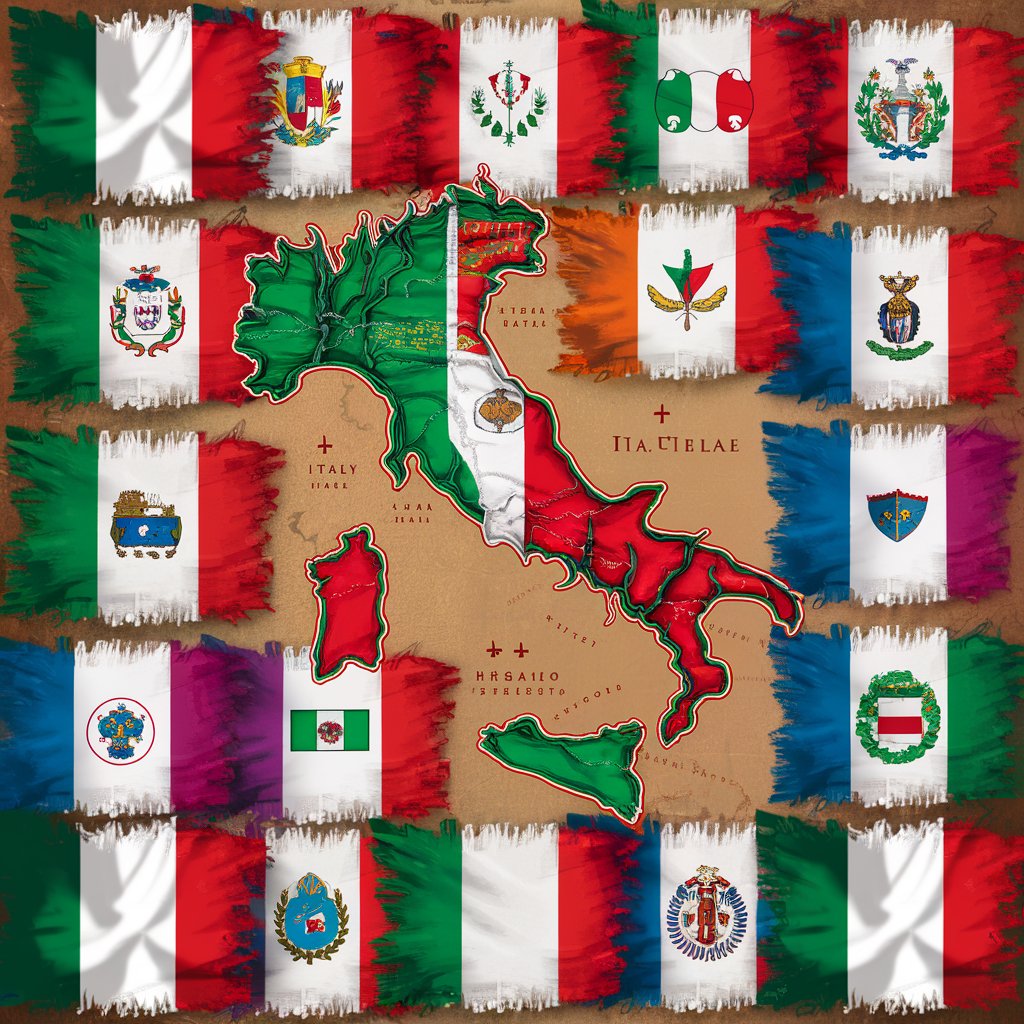

Flags from Italy represent far more than simple pieces of colored fabric. They symbolize centuries of history, cultural identity, political change, and regional pride. While most people immediately recognize the Italian national flag with its green, white, and red vertical stripes, Italy is also home to numerous regional, provincial, municipal, military, and historical flags that reflect the country’s rich heritage. Each flag tells a unique story about the communities, traditions, and historical events that helped shape modern Italy.
The study of flags from Italy offers fascinating insights into the country’s evolution from a collection of independent city-states and kingdoms into a unified nation. Whether displayed during national celebrations, sporting events, cultural festivals, or official ceremonies, Italian flags continue to play an important role in expressing patriotism and local identity. Understanding the origins, meanings, and symbolism behind these flags provides a deeper appreciation of Italian history and culture.
The History of Flags From Italy
The history of flags from Italy dates back many centuries and is closely connected to the country’s political development. Before Italy became a unified nation in 1861, the Italian peninsula was divided into various kingdoms, duchies, republics, and states, each with its own symbols and banners. These early flags often featured coats of arms, religious imagery, and family emblems representing ruling dynasties.
The modern Italian tricolor emerged during the late eighteenth century, inspired by the ideals of the French Revolution. In 1797, the Cispadane Republic adopted a flag featuring green, white, and red colors. Over time, these colors became associated with the Italian unification movement known as the Risorgimento. As nationalist sentiment grew throughout the nineteenth century, the tricolor evolved into a powerful symbol of Italian unity and independence. Following the unification of Italy, the flag became the official national emblem and remains one of the country’s most recognizable symbols today.
The Meaning Behind the Italian National Flag
Among all flags from Italy, the national flag is undoubtedly the most famous. It consists of three equal vertical bands colored green, white, and red. Although interpretations of these colors vary, several traditional explanations have gained widespread acceptance.
Green is often associated with Italy’s beautiful landscapes, rolling hills, and fertile plains. White commonly represents the snow-capped Alps and ideals of peace and unity. Red is frequently linked to the sacrifices made during the struggle for independence and national unity. Together, these colors embody the spirit, history, and aspirations of the Italian people.
The simplicity of the design contributes to its enduring appeal. Despite its straightforward appearance, the Italian flag carries profound historical significance and serves as a reminder of the country’s journey toward national identity.
Regional Flags From Italy and Their Unique Identities
Italy’s twenty regions each possess their own official flags that reflect local history, geography, and traditions. These regional flags from Italy showcase the incredible diversity found throughout the country.
For example, the flag of Sicily features the Trinacria symbol, a striking image depicting three bent legs radiating from a central head. This ancient emblem represents the triangular shape of the island and its long historical heritage. Sardinia’s flag includes four Moorish heads, symbolizing victories and regional identity. Tuscany’s flag prominently displays the famous Pegasus, while Lombardy uses a distinctive green symbol representing life and renewal.
These regional flags are frequently displayed alongside the national flag during public celebrations, governmental functions, and cultural events. They help residents maintain strong connections to their local heritage while remaining part of the broader Italian nation.
Historical Flags From Italy That Shaped the Nation
Many historical flags from Italy played important roles before national unification. The Republic of Venice, one of Europe’s most powerful maritime states, used a flag featuring the winged Lion of Saint Mark. This emblem became synonymous with Venetian influence throughout the Mediterranean.
The Kingdom of Sardinia employed a flag that later influenced the design of the national tricolor. The Papal States used flags featuring religious symbols that reflected the authority of the Catholic Church. Various city-states such as Florence, Genoa, and Milan also developed distinctive banners that became integral to local identity.
These historical flags provide valuable insight into the political landscape that existed before Italy emerged as a unified country. They remain important cultural artifacts and are often displayed during historical reenactments and educational exhibitions.
Military and Naval Flags From Italy
Military flags from Italy serve essential ceremonial and operational purposes. The Italian Armed Forces maintain several official flags and standards representing different branches of service. These banners symbolize duty, honor, sacrifice, and national defense.
The naval ensign used by the Italian Navy incorporates the coats of arms of four historic maritime republics: Venice, Genoa, Pisa, and Amalfi. This design pays tribute to Italy’s rich maritime tradition and highlights the contributions of these influential seafaring powers.
Military flags are treated with great respect and are often featured during official ceremonies, parades, commemorative events, and international military gatherings. They represent the values and traditions upheld by Italy’s defense institutions.
Cultural Importance of Flags From Italy
Flags from Italy occupy a prominent place in Italian culture. They are displayed during national holidays, religious festivals, sporting competitions, and public celebrations. During international events such as football tournaments, Italian flags become especially visible as citizens proudly support their national teams.
The flag is also an important symbol for Italian communities living abroad. Millions of people with Italian ancestry use the tricolor to celebrate their heritage and maintain connections to their cultural roots. In cities around the world, Italian festivals frequently feature the national flag alongside regional banners representing ancestral hometowns.
This cultural significance demonstrates how flags function not only as political symbols but also as expressions of collective memory, pride, and belonging.
Flags From Italy in Modern Design and Tourism
In contemporary society, flags from Italy are widely used in branding, tourism, fashion, and marketing. The iconic green, white, and red color combination is often incorporated into products associated with Italian craftsmanship, cuisine, and culture.
Tourist destinations frequently display regional and municipal flags to highlight local traditions and historical attractions. Museums, cultural centers, and heritage sites use flag imagery to educate visitors about the area’s unique past. The visual appeal and historical associations of Italian flags make them powerful tools for promoting cultural tourism and national identity.
Modern designers also draw inspiration from historical Italian symbols, creating innovative interpretations that preserve traditional meanings while appealing to contemporary audiences.
How Flags From Italy Reflect National Unity and Diversity
One of the most fascinating aspects of flags from Italy is their ability to represent both unity and diversity simultaneously. The national flag serves as a common symbol shared by all Italians, regardless of regional differences. At the same time, regional and local flags celebrate the unique customs, dialects, and histories that distinguish different parts of the country.
This balance between national cohesion and local identity has been a defining feature of Italian society for generations. Flags help communicate these multiple layers of identity, allowing individuals to express pride in both their region and their nation.
The coexistence of numerous flags within Italy demonstrates how diverse communities can maintain their distinct traditions while contributing to a shared national culture.
Conclusion
Flags from Italy are powerful symbols that capture the country’s remarkable history, cultural richness, and enduring spirit. From the iconic national tricolor to the distinctive banners of individual regions, these flags tell stories of independence, unity, heritage, and local pride. They serve as visual reminders of Italy’s journey from fragmented states to a modern nation while preserving the unique identities that make each region special.
Whether viewed through a historical, cultural, or artistic lens, Italian flags continue to inspire admiration and curiosity. Their symbolism reflects the values, traditions, and aspirations of the Italian people, ensuring that they remain meaningful emblems for future generations.
Frequently Asked Questions (FAQs)
What is the national flag of Italy?
The national flag of Italy consists of three vertical stripes colored green, white, and red. It is commonly known as the Italian Tricolor.
What do the colors of the Italian flag mean?
Green is often associated with the country’s landscapes, white symbolizes peace and the Alps, and red represents sacrifice and courage during Italy’s struggle for unity.
When was the Italian flag officially adopted?
The modern Italian tricolor became the official national flag after the unification of Italy in the nineteenth century and remains in use today.
Why does Italy have regional flags?
Italy’s regions have their own flags to represent local history, traditions, culture, and identity while remaining part of the unified nation.
What is the oldest historical flag from Italy?
Several historical flags date back centuries, including those of Venice, Genoa, and other medieval city-states that existed before Italian unification.
Are Italian regional flags officially recognized?
Yes, Italy’s regions have officially recognized flags that are used by regional governments and displayed during public events and ceremonies.
Where can visitors see flags from Italy?
Visitors can see Italian flags at government buildings, museums, historical sites, cultural festivals, sporting events, and tourist attractions throughout the country.